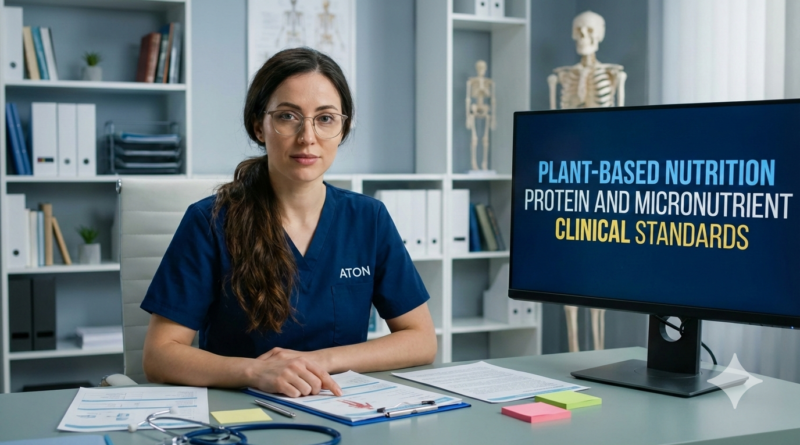
Plant-based nutrition protein and micronutrient clinical standards
Optimizing plant-based protocols through complete protein synthesis and targeted micronutrient bioavailability standards.
In contemporary clinical nutrition, the shift toward plant-based and vegan dietary patterns represents a dual-edged sword of metabolic opportunity and nutritional risk. While these diets are associated with reduced markers of systemic inflammation and lower risks of ischemic heart disease, the clinical reality often involves a “diagnostic lag” where patients present with subclinical deficiencies that bypass routine screening. The most common failures in clinical practice occur when the transition to plant-based eating is executed without a structured amino acid strategy or a recognition of the lower bioavailability of non-heme minerals.
The complexity of plant-based optimization stems from the inherent “anti-nutrient” profile of whole plant foods—specifically phytates and oxalates—which can significantly inhibit the absorption of divalent cations like Iron, Zinc, and Calcium. Furthermore, the reliance on serum B12 testing often provides a false sense of security, as high folate intake in vegans can mask the macrocytic anemia typically associated with B12 deficiency, allowing neurological degradation to proceed undetected. To achieve therapeutic success, the clinician must move beyond the “balanced plate” concept and adopt a diagnostic logic centered on metabolic precursors and enzymatic co-factors.
This article provides a rigorous framework for managing plant-based nutrition, focusing on the DIAAS (Digestible Indispensable Amino Acid Score) over the outdated PDCAAS standard. We will clarify the technical requirements for reaching the leucine threshold necessary for muscle protein synthesis and provide a sequenced workflow for micronutrient monitoring. By the end of this analysis, the practitioner will be equipped to guide patients through an optimized plant-based transition that supports structural health, cognitive function, and metabolic longevity without the traditional pitfalls of restrictive eating.
Clinical Decision Checkpoints for Plant-Based Optimization:
- Leucine Threshold Audit: Ensure at least 2.5g of Leucine per meal to activate the mTOR pathway, especially in aging patients at risk for sarcopenia.
- The B12/MMA Standard: Prioritize Methylmalonic Acid (MMA) testing over serum B12 to identify functional tissue-level deficiency.
- Iron-Vitamin C Synergy: Implement mandatory co-ingestion of 75mg+ of Vitamin C with non-heme iron sources to counteract phytate inhibition.
- ALA to DHA Conversion Check: Monitor the Omega-3 Index and consider algae-based EPA/DHA for patients with low conversion genotypes or high inflammatory load.
- Iodine and Thyroid Axis: Verify the source of iodine (iodized salt vs. controlled kelp) to prevent thyroid dysfunction in the absence of dairy and seafood.
See more in this category: Clinical Nutrition & Dietetics
In this article:
- Context snapshot (definition, who it affects, diagnostic evidence)
- Quick guide
- Understanding in clinical practice
- Practical application and steps
- Technical details
- Statistics and clinical scenario reads
- Practical examples
- Common mistakes
- FAQ
- References and next steps
- Normative/Regulatory basis
- Final considerations
Last updated: February 18, 2026.
Quick definition: Plant-based and vegan nutrition is a therapeutic framework that excludes all or most animal products, requiring the metabolic substitution of essential amino acids and micronutrients through high-bioavailability plant sources and targeted supplementation.
Who it applies to: Individuals following strict veganism, athletes seeking performance recovery via antioxidants, and patients with metabolic syndrome or chronic kidney disease (CKD) requiring lower nitrogenous waste loads.
Time, cost, and diagnostic requirements:
- Nutritional Stabilization: Typically 3–6 months to see a total shift in iron stores (Ferritin) and B12 status after a dietary change.
- Diagnostic Testing: CBC, Ferritin, Methylmalonic Acid (MMA), RBC Zinc, and 24-hour urine iodine; moderate cost; results in 3-5 days.
- Genetic Screening: FADS1/FADS2 gene analysis for Omega-3 conversion efficiency; high cost; one-time testing.
- Implementation Monitoring: Bi-annual blood panels for the first two years of transition to ensure the metabolic floor is maintained.
Key factors that usually decide clinical outcomes:
- Protein Quality Index: Moving from “grams per day” to “essential amino acid (EAA) density per meal.”
- Anti-Nutrient Mitigation: Utilizing technical food preparation methods like soaking, sprouting, and fermentation to liberate locked minerals.
- Bioactive Synergies: Pairing specific nutrients (e.g., Vitamin D with Magnesium) to ensure secondary absorption pathways are active.
- Supplement Adherence: Recognizing that Vitamin B12 is non-negotiable in strict veganism, as plant-based sources like spirulina often contain inactive analogues.
Quick guide to Plant-Based Clinical Optimization
- The Lysine Threshold: Lysine is the limiting amino acid in most cereal grains; ensure high consumption of legumes, tofu, and pumpkin seeds to satisfy the requirement for collagen and carnitine synthesis.
- Iron Absorption Standards: Avoid tea and coffee during or within 60 minutes of meals, as tannins can reduce non-heme iron absorption by up to 70% to 90%.
- B12 Supplementation Standards: For adults, a minimum of 250mcg daily of Cyanocobalamin or Methylcobalamin is required, or 2,500mcg once weekly, to ensure intrinsic factor saturation.
- Creatine for Cognitive Support: Since plant-based diets provide zero dietary creatine, a maintenance dose of 3-5g daily may improve short-term memory and processing speed in vegans.
- Calcium Bioavailability: Prioritize low-oxalate greens (kale, bok choy, broccoli) over high-oxalate spinach to ensure a higher fractional absorption rate of calcium.
Understanding Plant-Based Metabolism in practice
The successful application of a vegan diet in clinical nutrition requires a fundamental departure from “animal-food mimicry.” In clinical practice, we observe that many patients simply replace animal proteins with highly processed “analogues” that are rich in refined starches and isolated oils but devoid of essential micronutrients. This “junk-food veganism” leads to the Post-Transition Metabolic Crash, characterized by elevated triglycerides, dropping ferritin, and persistent fatigue. True optimization requires a focus on the nutrient density of whole legumes, heritage grains, and algae-derived fats.
A primary clinical pivot point is the Muscle Protein Synthetic (MPS) Response. Plant proteins generally have a lower content of indispensable amino acids (specifically Leucine, Lysine, and Methionine) compared to whey or egg protein. Furthermore, the plant cell wall can hinder the accessibility of the protein to human proteases. To overcome this, the practitioner must implement a higher absolute protein intake (typically 1.2 to 1.5 g/kg) and utilize protein-combining strategies—such as rice and beans or hummus and whole-wheat pita—to ensure a complete amino acid profile within each 4-6 hour metabolic window.
[attachment_0](attachment)
Diagnostic Logic for Vegan Nutrient Monitoring:
- MMA vs. Serum B12: If serum B12 is 200-400 pg/mL, it may be falsely elevated. Always check MMA (Methylmalonic Acid); levels >270 nmol/L indicate functional deficiency.
- The Hepcidin Factor: Non-heme iron absorption is regulated by hepcidin. In patients with low ferritin (<30 ng/mL), recommend “every-other-day” iron supplementation to maximize fractional absorption.
- Zinc/Phytate Ratio: If a patient has poor wound healing or loss of taste, audit the phytate intake. Use soaking or leavening to lower the ratio and improve zinc status.
- Iodine Audit: If the patient uses sea salt instead of iodized salt and avoids seaweed, the thyroid axis is at risk. Monitor TSH and Urinary Iodine.
Regulatory and practical angles that change the outcome
Guideline variability across different health organizations can confuse both doctors and patients. While the Academy of Nutrition and Dietetics states that appropriately planned vegan diets are “healthful for all stages of the life cycle,” the standard of care requires specific documentation of nutrient bioavailability. For example, the RDA for iron is 1.8x higher for vegetarians due to the lower absorption of non-heme iron. Clinicians must document these increased requirements in the patient’s record to prevent the misdiagnosis of “normal” intake that is actually functionally insufficient.
Furthermore, the regulatory status of fortified foods varies by region. In some countries, plant milks are not required to be fortified with Vitamin D or B12, making them poor substitutes for cow’s milk. Practitioners should provide a fortification audit for their patients, identifying specific brands that meet the “clinical milk standard” (at least 120mg Calcium and 1mcg B12 per 100ml). Baseline metrics for bone density should also be considered for long-term vegans who do not meet these targets, particularly during the post-menopausal period.
Workable paths patients and doctors actually use
In practice, we generally follow three clinical paths. The Whole-Food Plant-Based (WFPB) Path is the gold standard for reversing metabolic disease, emphasizing zero processed oils and zero refined flours. This path provides the highest fiber load and antioxidant spectrum but requires the most intensive amino acid combining to prevent protein deficiency. The Flexible Vegan Path allows for fortified processed foods and isolates, which often helps with social compliance and reaching the Leucine Threshold more easily via pea/soy protein powders.
The third path, the Targeted Therapeutic Path, is used for patients with specific conditions like IBD or CKD. In CKD, the lower bioavailability of plant-based phosphorus and the lower acid-ash load of plant proteins are used as a renal preservation strategy. In this context, the reduced bioavailability of nutrients is actually used as a therapeutic tool to prevent mineral overload. Regardless of the path, a successful workflow must include a 14-day transition period to allow the gut microbiome to adapt to the increased fiber load, preventing the dysbiotic bloating that often leads to diet abandonment.
Practical application of Plant-Based steps in real cases
Implementing an optimized plant-based plan requires moving beyond a “list of foods” and toward a sequenced physiological protocol. The workflow often breaks during the first 30 days because of poor prep habits or a lack of calorie density. A grounded approach focuses on isocaloric replacement; if a patient removes 500 calories of meat, they must replace it with 500 calories of dense legumes and fats (nuts/seeds) to prevent the catabolic energy deficit that masks as “cleansing.”
- Define the Metabolic Baseline: Order a full micronutrient panel including Ferritin, B12, MMA, Zinc, and Vitamin D. Establish a 3-day baseline food log to calculate current EAA intake.
- Build the Protein Floor: Identify 3 “Complete Protein Anchors” the patient enjoys (e.g., Soy, Quinoa, Buckwheat). Implement the “Legume First” rule: a serving of lentils or beans must precede or accompany every meal.
- Implement Bioavailability Enhancers: Teach the “C-Plus” technique—always adding a squeeze of citrus or a serving of peppers to iron-rich meals. Introduce the “Phytate Wash”: mandatory soaking of grains and beans for 12 hours.
- Select Algae-Based Essentials: For patients with cardiovascular or cognitive concerns, prescribe a high-quality algae-based EPA/DHA supplement (at least 250mg combined).
- Document the Metabolic Response: Review the 14-day symptom log. Look for signals like gas/bloating (requiring enzyme support) or post-prandial lethargy (requiring more leucine/protein).
- Escalate only if clinically ready: If iron or B12 markers do not rise after 3 months of documented compliance, investigate parietal cell antibodies or malabsorption syndromes (SIBO/Celiac).
Technical details and relevant updates
The pharmacology of plant-based nutrition has shifted toward Precision Supplementation. We now understand that B12 absorption via intrinsic factor is limited to about 1.5–2.0mcg per dose. Therefore, a massive 1,000mcg dose relies on passive diffusion, which is only about 1% efficient. This is why “low-dose daily” is often superior to “high-dose monthly” for maintaining steady-state serum levels. Furthermore, the Vitamin D-Magnesium Axis is critical; Vitamin D cannot be converted into its active form ($1,25(OH)_2D$) without magnesium, which can be low in vegans relying heavily on refined grains.
Relevant updates in 2026 highlight the role of Choline in plant-based diets. Choline is essential for hepatic export of VLDL and neurotransmitter synthesis. Since the richest sources are eggs and meat, vegans must prioritize cruciferous vegetables, soy, and beans or utilize a Citicoline supplement. Failure to monitor choline can lead to Non-Alcoholic Fatty Liver Disease (NAFLD) even in lean vegans. Additionally, record retention should include the patient’s “Anti-Nutrient Exposure”—noting if they consume high amounts of raw spinach or chard, which can drive calcium-oxalate nephrolithiasis.
- Leucine Threshold: Aim for 700–1,000mg of Leucine per 100g of dry protein source (e.g., soy and pea protein blends).
- RBC Zinc Standards: Serum zinc is insensitive; use RBC Zinc to assess the long-term status of enzymatic co-factors.
- Reporting Patterns: Sudden changes in hair texture or brittle nails in vegans are early clinical signals of protein-calorie malnutrition or zinc/iron depletion.
- Emergency Escalation: Rapid onset of ataxia, paresthesia, or psychiatric changes in a long-term vegan requires immediate IV B12 and rule-out of subacute combined degeneration of the spinal cord.
Statistics and clinical scenario reads
The following scenario patterns represent the distribution of nutritional outcomes in plant-based populations. These figures serve as monitoring signals for the specialist to identify at-risk phenotypes early in the transition process.
Nutrient Deficiency Distribution in Non-Optimized Vegans
Without structured supplementation and bioavailability strategies, the following deficiencies are common within 24 months of transition.
Before/After Clinical Shifts with Optimized Protocols
- DIAAS Score (Meal Average): $0.65 \rightarrow 0.88$ (Achieved through legume-grain complementarity and leucine-rich isolates).
- Serum MMA Levels: 450 nmol/L $\rightarrow$ 180 nmol/L (Effect of high-dose daily cobalamin support).
- Ferritin Recovery: 12 ng/mL $\rightarrow$ 45 ng/mL (Result of Vitamin C synergy and tannin avoidance).
- Skeletal Muscle Index: Stabilized within 5% of baseline (Driven by meeting the Leucine Threshold).
Practical Monitorable Points
- Daily Lysine Intake: Unit: mg. Goal: $>38$ mg/kg of body weight.
- Albumin/Pre-albumin: Used to track short-term protein-energy status.
- TSH/fT4: Annual check for patients relying on unfortified plant diets.
Practical examples of Plant-Based Optimization
A 28-year-old marathon runner transitioned to a vegan diet. Protocol: Utilized pea-rice protein blends (2.8g Leucine), algae-DHA, and a daily 500mcg B12 spray. Timeline: After 6 months, he maintained his lean muscle mass, hs-CRP dropped by 40%, and VO2 max improved. Why it worked: The focus was on EAA density and anti-inflammatory fat ratios rather than just “eating more plants.” His recovery was accelerated by the high antioxidant load of his meal plan.
A 45-year-old female switched to a vegan diet for health but relied on spinach-fruit smoothies, white pasta, and “vegan cheese.” Outcome: Severe fatigue, hair loss, and “brain fog.” Clinical Failure: Ferritin was 8 (Iron deficiency) and MMA was 550 (B12 deficiency). The high-oxalate spinach smoothie inhibited her calcium and iron absorption, and the lack of B12 supplements led to functional neuronal stress. Resolution: Introduced B12 injections, switched to low-oxalate greens, and added bean-based proteins.
Common mistakes in Plant-Based Nutrition
B12 Analogue Fallacy: Believing that nori, spirulina, or nutritional yeast alone can provide enough B12; these often contain pseudocobalamin, which is biologically inactive in humans.
Phytate-Iron Blocking: Consuming high-iron beans with a cup of strong black tea, which can neutralize iron absorption by up to 90% via tannin binding.
Lysine Deficiency: Relying purely on grains (oats, wheat, rice) and neglecting legumes, leading to a lysine gap that stalls protein synthesis and connective tissue repair.
Omega-3 Conversion Overestimation: Assuming 1 tbsp of flax seeds provides enough DHA/EPA; the conversion rate of ALA is often less than 5%, requiring direct algae-source intervention.
Oxalate Overload: Using raw spinach and beet greens as primary “daily greens,” which locks up calcium and significantly increases the renal oxalate burden.
FAQ about Plant-Based and Vegan Optimization
Is it possible for a vegan to get enough protein for muscle building?
Yes, but it requires strategic leucine monitoring. Muscle protein synthesis (MPS) is triggered by the “leucine bolt”—a dose of approximately 2.5 to 3.0 grams of leucine in a single sitting. While animal proteins are naturally leucine-dense, plant proteins (like pea or soy) require a higher total volume or a combination of sources to reach this threshold. A vegan athlete should focus on soy isolates, seitan, or large servings of lentils to ensure the anabolic signal is strong enough to maintain or grow skeletal muscle mass.
Furthermore, the DIAAS score of plant proteins is typically lower than animal sources, meaning a vegan may need 20-30% more total protein by weight to achieve the same metabolic effect as an omnivore. In clinical practice, we recommend aiming for 1.6g of protein per kg of body weight for active plant-based individuals, using a mix of legumes and seeds to provide a complete essential amino acid (EAA) profile within each meal cycle.
Do I really need to supplement Vitamin B12 if I eat nutritional yeast?
Nutritional yeast is only a reliable source of B12 if it is explicitly fortified by the manufacturer. Unfortified nutritional yeast contains zero B12. Even when using fortified products, the amount can be inconsistent, and B12 is light-sensitive, potentially degrading if stored incorrectly. For a clinical standard of care, relying solely on fortified foods is risky because B12 absorption requires the Intrinsic Factor (IF) system, which can only handle small amounts at a time. If your meal habits are irregular, you may not absorb enough to meet the 2.4mcg daily requirement.
The safest and most evidence-based approach is to use a dedicated B12 supplement (Cyanocobalamin is the most stable). A daily dose of 250mcg or a twice-weekly dose of 1,000mcg ensures that even if IF is saturated, enough B12 will enter the blood via passive diffusion. In vegan patients, skipping this supplement leads to elevated homocysteine and MMA, both of which are neurotoxic and increase the risk of cardiovascular events over the long term.
How can I improve iron absorption from plant foods like beans?
Plant-based iron is “non-heme” iron, which is significantly more sensitive to inhibitors like phytates and tannins than the heme iron found in meat. To optimize absorption, you must utilize Vitamin C (Ascorbic acid) as a synergy agent. Vitamin C reduces ferric iron to ferrous iron and prevents the formation of insoluble iron complexes in the gut. Adding just 75mg of Vitamin C (half a cup of bell peppers or a large orange) to a bean-based meal can increase iron absorption by 200% to 400%.
Equally important is the avoidance of tannin-rich beverages (tea and coffee) during meals. These compounds bind iron so effectively that they can virtually eliminate the absorption of non-heme iron from that meal. Clinically, we recommend waiting at least one hour after a meal before consuming tea or coffee. For patients with persistent low ferritin, soaking and sprouting grains/legumes is also mandatory to lower the “phytate load” that locks minerals in the digestive tract.
Is soy safe for my thyroid and hormone balance?
Based on current clinical meta-analyses, moderate soy consumption (2-3 servings per day) does not adversely affect thyroid function in individuals with sufficient iodine intake. Soy contains isoflavones, which can be goitrogenic in a state of iodine deficiency. Therefore, the priority is to ensure the patient is using iodized salt or sea vegetables to protect the thyroid axis. For those with existing hypothyroidism, it is important to take thyroid medication on an empty stomach and wait at least 4 hours before consuming soy products to prevent absorption interference.
Regarding hormones, soy isoflavones are “Selective Estrogen Receptor Modulators” (SERMs). They have a much weaker effect than human estrogen and can actually have a protective effect against certain hormone-sensitive cancers. There is no clinical evidence that soy causes “feminization” or lowers testosterone in men. For most plant-based patients, soy is a vital tool for providing high-quality protein and lysine that is otherwise scarce in the plant kingdom.
Can a vegan diet provide enough Omega-3 for heart and brain health?
Vegans consume Alpha-Linolenic Acid (ALA) from sources like flax, chia, and walnuts. While ALA is an essential fatty acid, the body’s conversion of ALA into the long-chain forms EPA and DHA is remarkably inefficient (often <5% for EPA and <1% for DHA). Genetic variations in the FADS genes can further limit this conversion. Since EPA and DHA are critical for dampening systemic inflammation and maintaining neuronal membrane fluidity, relying solely on ALA may lead to a low Omega-3 Index, which is a risk factor for cardiovascular disease.
The clinical standard is to bypass the conversion bottleneck by using algae-derived EPA and DHA supplements. These are the same sources fish use to accumulate their Omega-3s. A daily dose of 250mg to 500mg of combined EPA/DHA is recommended for most plant-based adults. This is especially critical during pregnancy and breastfeeding to support fetal brain development, as the maternal conversion rate is often insufficient to meet the heightened demand.
Why is Zinc status often low in plant-based diets?
Zinc deficiency in vegans is rarely about a lack of intake; it is almost entirely about low bioavailability. Whole grains, legumes, and seeds—the staples of a vegan diet—are rich in phytic acid, which binds to zinc and prevents its absorption in the small intestine. Furthermore, the absence of sulfur-containing amino acids from meat, which normally enhance zinc absorption, makes the zinc in plant foods even harder to utilize. This can manifest as poor immune function, hair loss, and delayed wound healing.
To optimize zinc, clinicians must teach bioavailability-enhancing techniques. Fermentation (like sourdough bread) and leavening significantly reduce phytic acid. Soaking pumpkin seeds or chickpeas for 12 hours before roasting or cooking is another essential step. If symptoms of deficiency persist, an RBC Zinc test should be ordered, and a low-dose zinc picolinate supplement (10-15mg) may be integrated, ideally taken away from high-phytate meals to maximize uptake.
Are there specific risks for vegan bone health?
Bone health in vegans is a “triad” of Calcium, Vitamin D, and Protein. Clinical studies (like the EPIC-Oxford study) have shown that vegans who consume less than 525mg of calcium per day have a significantly higher risk of fractures. Because plant-based calcium sources (like spinach) can be high in oxalates that block absorption, vegans must choose “low-oxalate” sources like kale, broccoli, fortified plant milks, and calcium-set tofu. The fractional absorption of calcium from kale (50-60%) is actually higher than from cow’s milk (30%).
Additionally, Vitamin D status must be monitored, as it regulates the intestinal calcium transporters. Vegans should look for Vitamin D3 derived from lichen rather than the less effective D2. Finally, adequate protein is essential for the production of Insulin-like Growth Factor 1 (IGF-1), which drives bone formation. A low-protein vegan diet, even if high in calcium, will eventually lead to decreased bone mineral density (BMD) due to impaired structural remodeling.
What is the “limiting amino acid” and how do I fix it?
A “limiting amino acid” is the essential amino acid that is found in the smallest amount relative to the body’s needs in a particular food. In cereal grains (rice, wheat, corn), the limiting amino acid is Lysine. In legumes (beans, lentils), the limiting amino acid is Methionine. If you only eat grains, your body cannot complete the synthesis of new proteins because it runs out of lysine, essentially “stopping the assembly line.” This is the basis of the “incomplete protein” concept.
The solution is not necessarily to eat “rice and beans” in every single bite, but to ensure that both are consumed throughout the day so the body has a “pool” of amino acids to draw from. However, for older adults or those in a catabolic state (healing from injury), eating these complementary proteins in the same meal is preferred to maximize the peak plasma amino acid concentration, which is a stronger trigger for tissue repair.
Can vegans get enough Choline for brain health?
Choline is a critical nutrient for liver function and the production of acetylcholine, a neurotransmitter involved in memory and muscle control. While the highest concentrations are in eggs and liver, vegans can meet their needs by prioritizing soybeans, kidney beans, quinoa, and cruciferous vegetables (broccoli, cauliflower). However, the standard of care for vegan pregnancy involves a choline supplement (at least 450-550mg daily), as the fetal demand for brain development often exceeds what can be obtained from a typical plant-based diet.
In non-pregnant adults, subclinical choline deficiency can contribute to “brain fog” and elevated liver enzymes. If a patient is following a low-fat vegan diet, they must be extra diligent with these choline-rich sources. Practitioners should monitor the liver panel (ALT/AST) in long-term vegans; if enzymes rise without other clear causes, it is a clinical signal to audit choline and methionine intake, which are both required for the export of fat from the liver.
Why does a vegan diet cause bloating for some people?
The primary cause of bloating during a plant-based transition is the sudden increase in dietary fiber and oligosaccharides (like raffinose in beans). The gut microbiome needs time to shift its population toward bacteria that can efficiently ferment these complex carbohydrates. If a patient goes from 15g of fiber to 50g overnight, the resulting gas and distension can be painful and discouraging. This is not a sign that the diet is “bad” for them, but rather that the enzymatic ramp-up has been bypassed.
To manage this, clinicians recommend a “low and slow” approach: increasing legume portions by only 2 tablespoons per day and using alpha-galactosidase enzymes (Beano) during the transition. Sprouting beans and using the “soak and discard” water method also removes many of the gas-producing sugars. If bloating persists beyond 4 weeks, the practitioner should rule out Small Intestinal Bacterial Overgrowth (SIBO), which can be exacerbated by the high prebiotic load of a vegan diet.
References and next steps
- Nutritional Audit: Complete a 3-day weighted food diary to calculate your Lysine and Leucine intake baseline.
- Diagnostic Panel: Request an MMA and Ferritin test to establish your functional B12 and Iron status.
- Kitchen Modification: Purchase a fermentation kit or dedicated soaking bowls to begin anti-nutrient mitigation protocols.
- Algae-Source Integration: Switch to an algae-based EPA/DHA supplement (min. 250mg) to stabilize the Omega-3 Index.
Related reading:
- The DIAAS Standard: Redefining Protein Quality in Clinical Nutrition
- Hepcidin and the Iron Barrier: Optimizing Absorption in Vegetarians
- Phytate Neutralization: Sprouting and Soaking Benchmarks
- The Psychobiotics of Algae-DHA: Omega-3 and Mental Resilience
- Vitamin B12 Analogues: Why Spirulina is Not a Reliable Source
- Choline and the Vegan Liver: Preventing NALFD in Plant-Based Populations
Normative and regulatory basis
The nutritional standards for plant-based diets are supported by the Academy of Nutrition and Dietetics (AND) and the British Dietetic Association (BDA), which provide the primary clinical position papers on vegan adequacy. These regulations establish the “Standard of Care” for amino acid complementarity and micronutrient fortification. In the US, the FDA regulates the labeling of “vegan” and “plant-based” products, though the lack of a legal definition for these terms remains a challenge for institutional procurement.
How clinical findings drive outcomes is also governed by the World Health Organization (WHO) guidelines on non-heme iron and iodine intake. These global benchmarks are used to define the bioavailability-adjusted RDAs required for plant-based populations. For the most updated research on DIAAS scores and nutrient-gene interactions, practitioners should refer to the Food and Agriculture Organization (FAO) and the National Institutes of Health (NIH), which maintain the official databases for nutrient density and safety.
Final considerations
Mastering plant-based and vegan nutrition is an exercise in biochemical precision. It requires moving beyond the ideology of the diet and into the rigorous management of amino acid kinetics and mineral bioavailability. By prioritizing the leucine threshold for muscle maintenance, utilizing MMA for B12 accuracy, and implementing anti-nutrient mitigation strategies, clinicians can transform a restrictive dietary choice into a potent therapeutic intervention for metabolic and structural health.
The journey to an optimized plant-based diet is a phased transition of both the kitchen and the microbiome. As we move toward 2026 and beyond, the integration of personalized genomics will allow us to identify those patients who require higher algae-DHA doses or more intensive zinc support. Ultimately, a well-planned plant-based diet is not defined by what is removed, but by the strategic complexity of what is added. The goal is a metabolic state where cellular vitality and ecological sustainability coexist without compromise.
Key point 1: Digestibility (DIAAS) is the primary driver of protein success in vegans; aim for $1.2$ to $1.5$ g/kg to ensure EAA sufficiency.
Key point 2: Vitamin C is a mandatory pharmacological adjunct for non-heme iron absorption to bypass phytate blocking.
Key point 3: Serum B12 is an insensitive marker in high-folate diets; MMA is the mandatory diagnostic anchor for neurological safety.
- Monitor the Urea/Creatinine ratio to ensure protein intake is matching metabolic demand without excessive waste.
- Audit the “Anti-Nutrient” load (Oxalates/Phytates) in patients with recurrent kidney stones or low bone density.
- Utilize algae-derived EPA/DHA to maintain an Omega-3 index $>8\%$ for optimal neuro-cardiovascular protection.
This content is for informational and educational purposes only and does not substitute for individualized medical evaluation, diagnosis, or consultation by a licensed physician or qualified health professional.